During the Middle Ages, Christian art became one of the primary ways believers encountered the story of Jesus. In a largely illiterate society, images were not decorative additions to worship — they were theological instruction. Medieval artists translated Scripture into visual form, shaping how generations understood the birth, ministry, suffering, and resurrection of Christ.
Rather than aiming for historical realism, medieval artists emphasized spiritual meaning. Each scene from Christ’s life was composed to teach doctrine, inspire devotion, and reinforce biblical truth.
The Nativity and the Incarnation
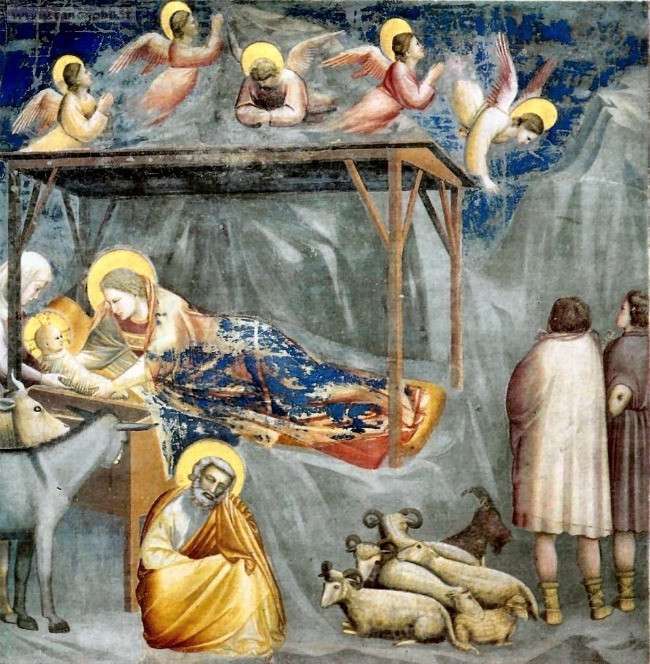
Medieval depictions of the Nativity emphasize divine mystery rather than domestic detail. Mary is often shown in royal garments, the Christ Child radiates symbolic light, and angels fill the heavens as described in Luke 2.
Giotto’s Nativity (c. 1305, Arena Chapel, Padua) marks a turning point in medieval art. While deeply symbolic, it introduces emotional realism that invites viewers into the humanity of the Incarnation.
The Ministry of Christ
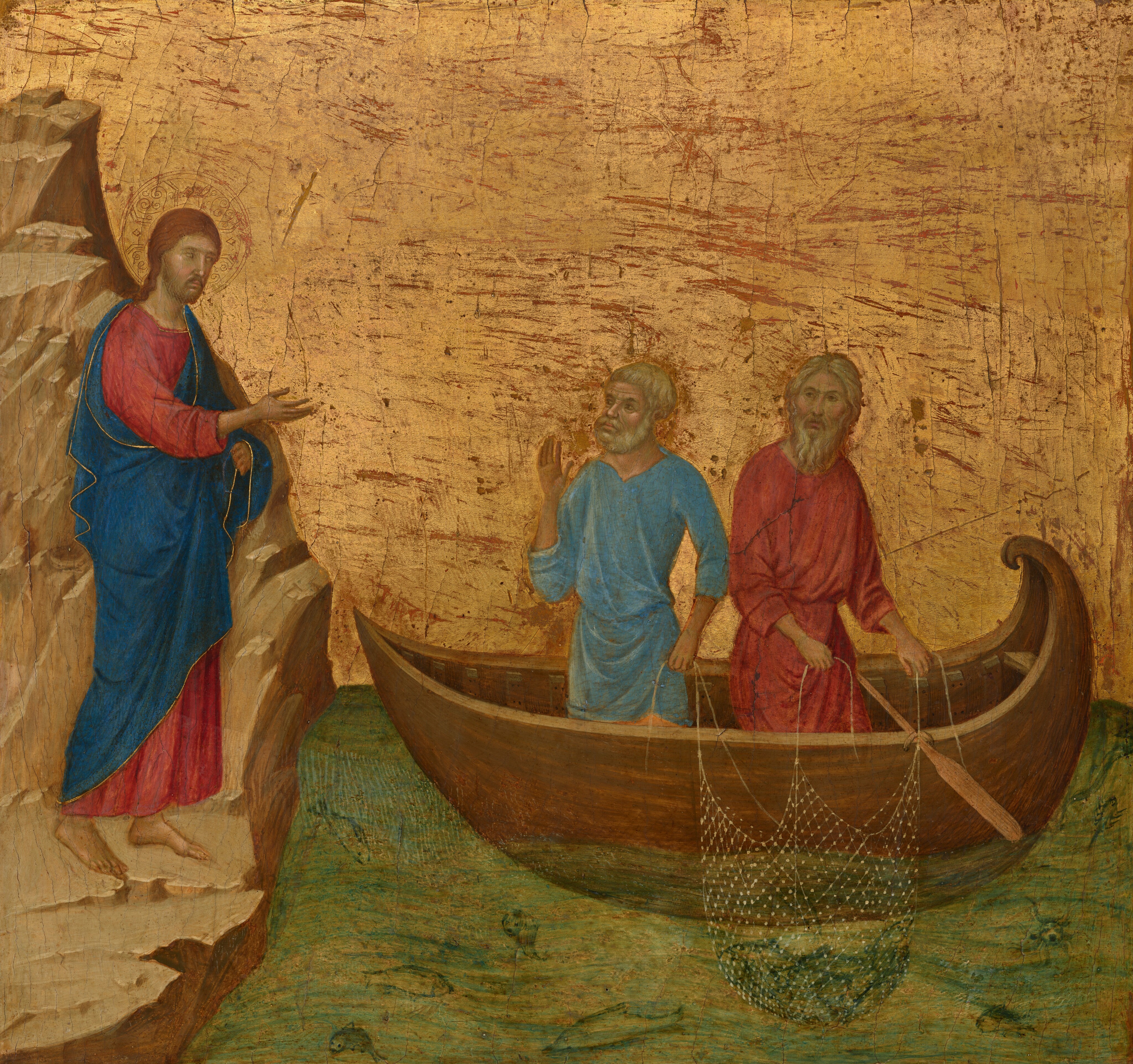
Scenes from Christ’s ministry — such as the Sermon on the Mount, the Calling of the Apostles, and the Raising of Lazarus — were frequently illustrated in illuminated manuscripts and church frescoes. These images reinforced Gospel narratives for worshippers who learned visually as much as verbally.
Duccio’s Calling of the Apostles Peter and Andrew (Maestà Altarpiece, 1308–1311) shows how medieval artists balanced sacred symbolism with emerging natural observation.
The Crucifixion and the Passion
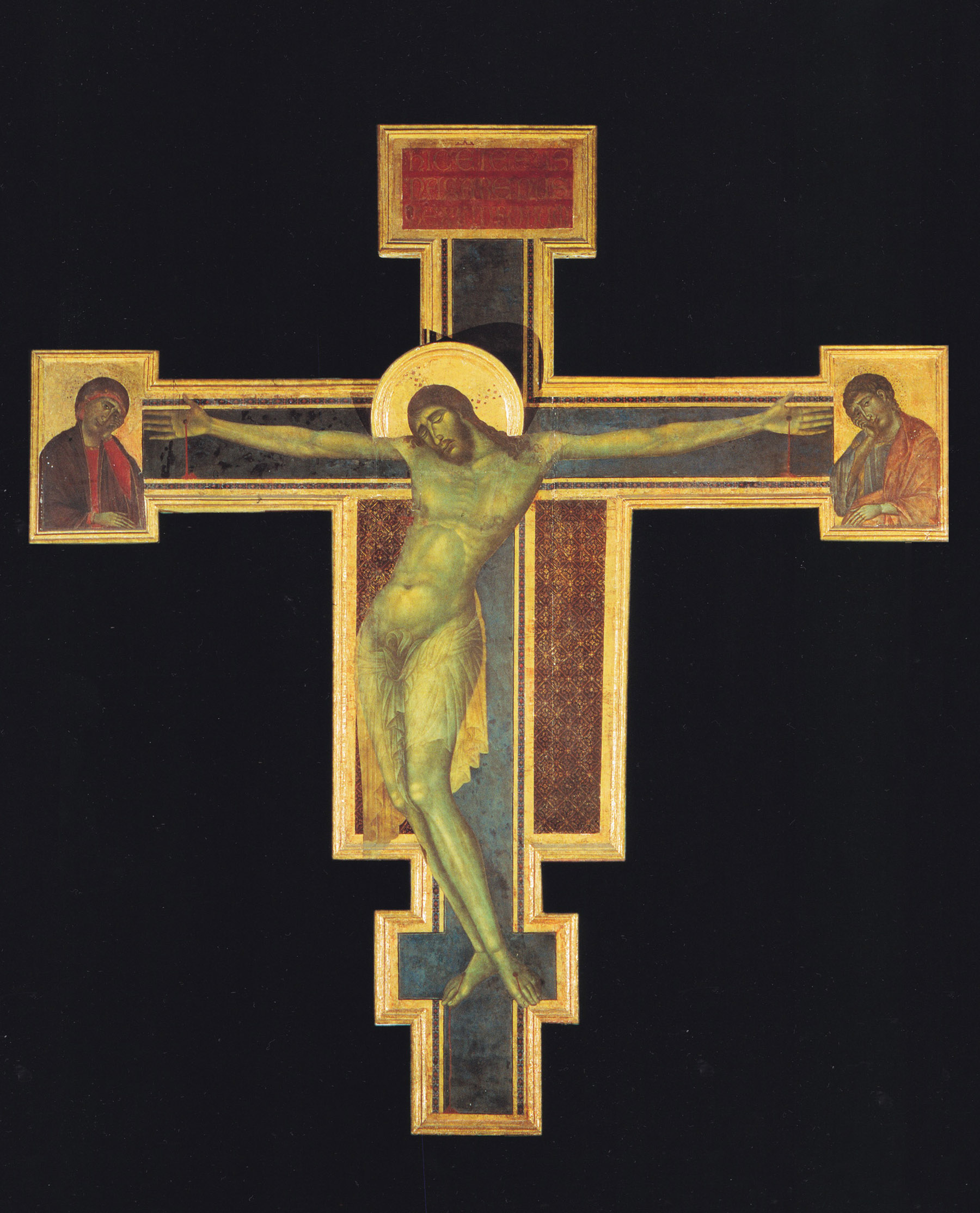
The Passion became increasingly central in late medieval spirituality. Artists emphasized Christ’s suffering to encourage meditation on sacrifice and redemption.
Cimabue’s Crucifix (c. 1287–1288, Santa Croce, Florence) presents a deeply humanized Christ whose body bends under the weight of death. This shift reflects the growing devotional focus on empathy with Christ’s suffering.
The Resurrection and Triumph
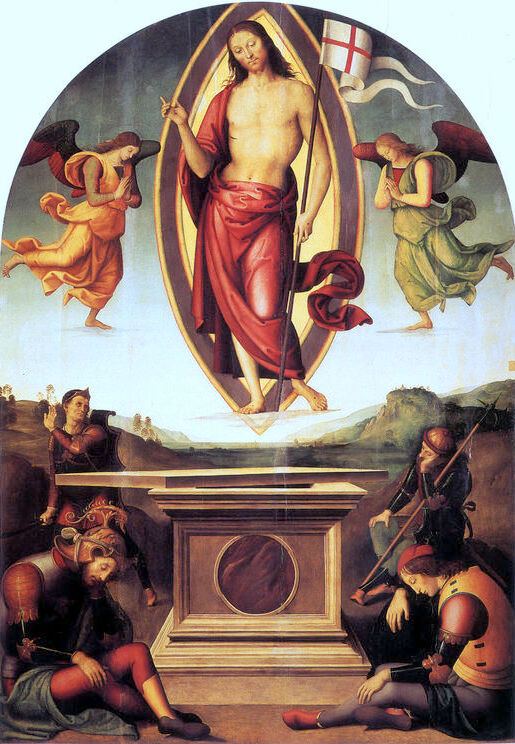
Medieval representations of the Resurrection emphasize Christ’s victory over death. Rather than depicting the exact biblical moment, artists often showed Christ stepping from the tomb in radiant authority, holding a banner of triumph.
The Resurrection panel by Pietro Perugino (c. 1490s) reflects the transition from medieval symbolism toward early Renaissance clarity, yet retains strong theological messaging.
Theological Meaning in Medieval Imagery
Medieval Christian art did not merely narrate events; it interpreted them. Gold backgrounds symbolized eternity. Hieratic composition conveyed authority. Light represented divine presence rather than natural atmosphere.
For readers interested in exploring major examples within this artistic tradition, a curated overview of medieval Jesus paintings offers additional visual references and historical context.
Conclusion
The life of Christ in medieval Christian art reveals how deeply Scripture shaped visual culture. Through frescoes, altarpieces, and illuminated manuscripts, artists transformed biblical narrative into sacred image. These works were not simply aesthetic achievements — they were instruments of teaching, devotion, and theological reflection.
Art Cultural Artifact Religious Artifacts Art history Ancient art Sacred art Religious art christian art ideas christian art modern christian artwork modern Medieval Christian Art Jesus In Art Nativity Paintings Giotto Art Cimabue Crucifix Resurrection Art Medieval Theology Biblical Illuminations Gothic Art Sacred Symbolism